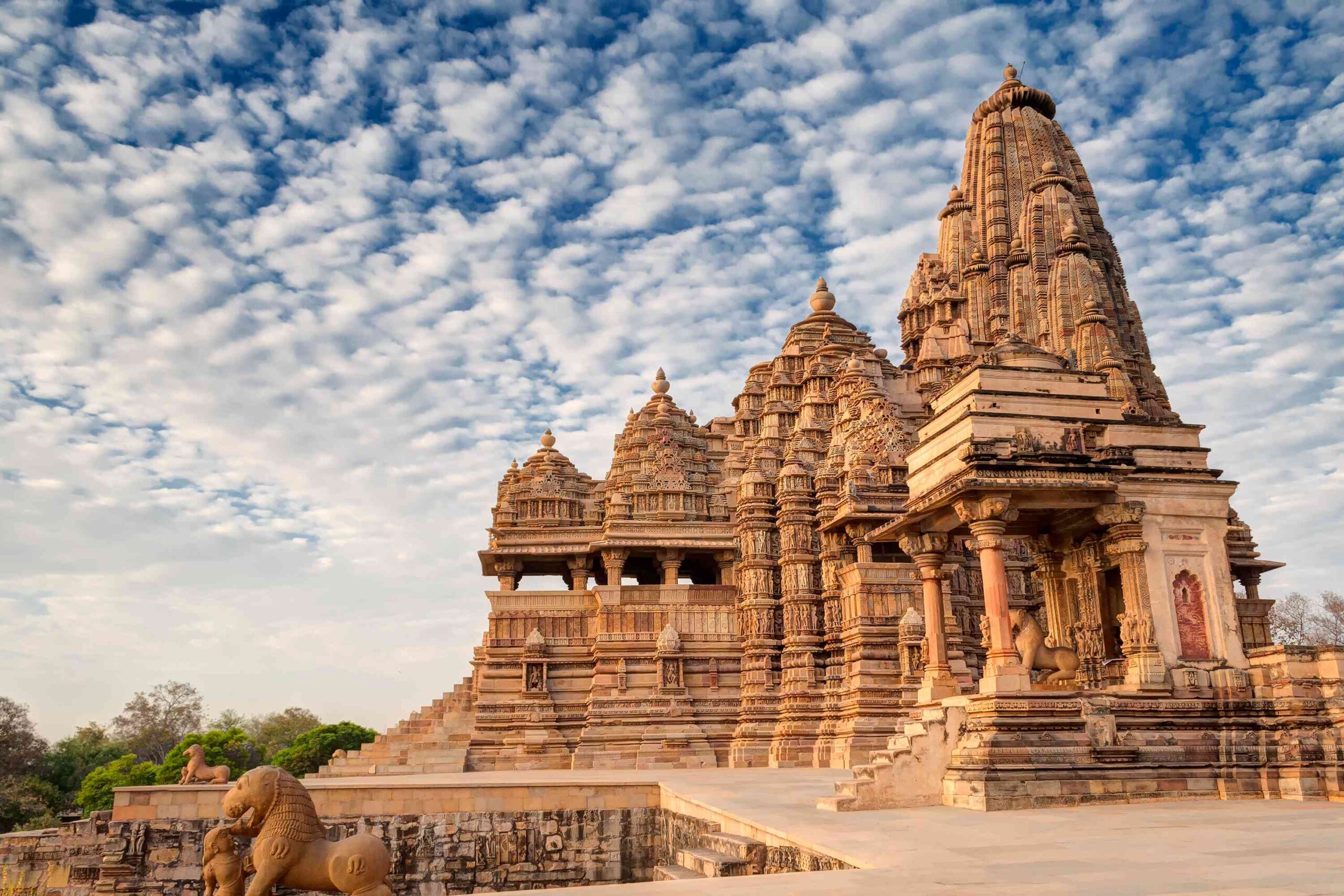
India’s Oldest Temples You’ve Never Heard Of
Beyond the crowded famous shrines lie India’s truly ancient temples places carved into cliffs, swallowed by jungles, or quietly worshipped for centuries or even millennia. These raw, mysterious sites feel like time capsules where every stone whispers forgotten stories. This 2026 guide spotlights the hidden ones most travellers miss, from claimed 2,000-year-old functional shrines to rediscovered jungle relics.
Why These Temples Feel Different
These aren’t polished tourist spots many are still living places of worship, some were lost for centuries, others were hewn from single rocks. They carry layers of forgotten dynasties, tantric traditions, seaside resilience, and Himalayan silence. Here are the standout hidden gems.
- Mundeshwari Temple, Bihar: Claimed ~108 CE (oldest functional per ASI/local tradition); existing structure ~6th–7th century CE
- Devunigutta, Telangana: ~6th-century jungle rediscovery with untouched Vakataka-era carvings
- Kailasa Temple, Ellora: World’s largest monolithic rock-cut temple (~8th century CE)
- Chausath Yogini, Morena: 11th-century open-air tantric circle of 64 goddesses
- Shore Temple, Mahabalipuram: 8th-century Pallava seaside masterpiece
- Jagatpita Brahma, Pushkar: Rare Brahma temple with deep ancient roots (current structure ~14th century CE)
Mundeshwari Temple, Bihar – Worship Since ~108 CE?
Claimed by ASI and local authorities as possibly the oldest functional Hindu temple (dating to 108 CE based on inscriptions and continuous worship), Mundeshwari remains a living shrine dedicated to Shiva and Shakti. Scholars date the existing octagonal structure (early Nagara style) more reliably to the 6th–7th century CE (Gupta/post-Gupta era). Perched in the Kaimur hills, on quiet mornings the mist-shrouded site feels otherworldly a profound link to India’s ancient devotional past. Still active in 2026 with no major changes reported.
Devunigutta Temple, Telangana – Jungle Time Capsule
Noted by ASI around 2012 and gaining wider attention ~2017–2019, this ~6th-century Shiva temple (Vishnukundin/Vakataka period) survived in near-perfect condition deep in Mulugu district forests. Intricate bas-reliefs, an imposing structure, and zero modern restoration give it the aura of a forgotten Indian Angkor Wat hidden in the trees. Reaching it still feels like stepping into a lost era one of India’s most pristine rediscoveries.
Kailasa Temple, Ellora – Carved from One Rock
The largest monolithic rock-cut temple in the world an entire complex excavated downward from a basalt cliff in the 8th century CE under Rashtrakuta king Krishna I. Over 200,000 tons of rock removed, Dravidian architecture at its most audacious. Walking around the freestanding vimana, elephant friezes, and pillared halls still feels impossible ancient engineers literally bent a mountain into sacred space.
Chausath Yogini Temple, Morena – Tantric Open Circle
An 11th-century roofless circular shrine (built under Kachchhapaghata king Devapala, per 1323 CE inscription) once holding 64 fierce Yogini goddesses. Tucked in rural Madhya Pradesh, it exudes an eerie, powerful energy open sky above, ancient stones below, few visitors. Locals still speak of its tantric vibrations in hushed tones. One of India’s most atmospheric and underrated hidden temples.
Shore Temple, Mahabalipuram – Waves & Stone
One of South India’s earliest structural stone temples (~700–728 CE, Pallava era), dramatically perched facing the Bay of Bengal. Once possibly gilded, it guided ancient mariners. Sunrise or sunset here waves crashing, salt air, golden light on carvings belongs on every history lover’s list. Part of the UNESCO Mahabalipuram monuments.
Other Ancient Gems Worth Seeking
- Jagatpita Brahma Temple, Pushkar: Rare Brahma dedication with deep historical roots; current structure ~14th century CE, magical evening aarti by the lake
- Champaner-Pavagadh, Gujarat: 8th-century+ cluster of temples, mosques, stepwells UNESCO-listed and underrated
- Tungnath, Uttarakhand: Highest Shiva temple in the world (~3,680 m), reached by trek pure Himalayan spirituality
- Mitawali Temple, Madhya Pradesh: Circular 64-Yogini design, almost fantasy-like atmosphere (~9th–10th century)
Practical Tips for Ancient Temple Travel (2026)
- Respect rules: Shoulders/knees covered, remove shoes, speak quietly many are active worship sites
- Timing: Sunrise/sunset visits are quieter, more atmospheric; avoid peak heat/monsoon at remote sites
- Pack smart: Water, snacks, hat, sunscreen, sturdy shoes facilities are minimal at hidden spots
- Festivals: Time visits for local melas, Navratri, or Shivratri to see living traditions
- Go responsibly: Early/late to beat crowds; support local guides/artisans; leave no trace
Why These Places Matter
India’s oldest temples aren’t frozen museum pieces many still pulse with daily puja, while others wait quietly in jungles or on cliffs for seekers. From Mundeshwari’s claimed 108 CE continuity to Devunigutta’s rediscovered serenity, Kailasa’s impossible scale, and the seaside endurance of Shore Temple, each carries stories stretching back centuries or millennia.
If you’re tired of crowded heritage checklists, these hidden sites offer something rarer: direct contact with India’s deep, unbroken spiritual memory. Go quietly, listen, and let the stones speak. You’ll come back changed.
Which ancient sanctuary is calling your name?