Life in India’s Border Villages 2026: Stories from the Edge
India’s border villages aren’t just dots on a map they’re raw, real places where people live with one foot in deep tradition and the other in daily survival. From apricot-scented lanes in Turtuk to the first sunrise in Kibithu, these remote corners offer some of the most authentic travel experiences in the country. In 2026, the expanding Vibrant Villages Programme (VVP-I & II) continues bringing roads, solar power, telecom, and tourism infrastructure, yet the soul of these places remains profoundly untouched.
Why Border Villages Feel Different
Life here is shaped by extreme altitude, harsh weather, geopolitical realities, and unbreakable community bonds. Forget city conveniences these villages run on solar lamps, seasonal rivers, army convoys, and neighborly trust. Yet the hospitality is legendary: show up as a stranger and leave feeling like family.
- Turtuk, Ladakh: Balti culture, apricot orchards, and a history that crossed borders
- Kibithu, Arunachal Pradesh: India’s easternmost sunrise village & Meyor tribal life
- Chitkul, Himachal Pradesh: The “last village” before the Indo-Tibetan border
- Ha & Tawang area: Monpa Buddhist traditions and high-altitude farming
- Bengal border hamlets: River-changing livelihoods and stories of quiet resilience
Turtuk, Ladakh – Apricots & Identity
Once part of Baltistan, now proudly Indian since 1971, Turtuk feels like a cultural time capsule. Stone houses cling to steep slopes, apricot trees blanket the valley in spring and summer, and Balti hospitality turns visitors into instant guests. Locals share stories of ancient trade routes, the 1971 war, and adaptation after the Line of Control redrew their world. Try fresh apricot juice or homemade buckwheat bread it’s unforgettable. (Note: Requires Inner Line Permit for access via Nubra Valley.)
Kibithu, Arunachal Pradesh – First Light in India
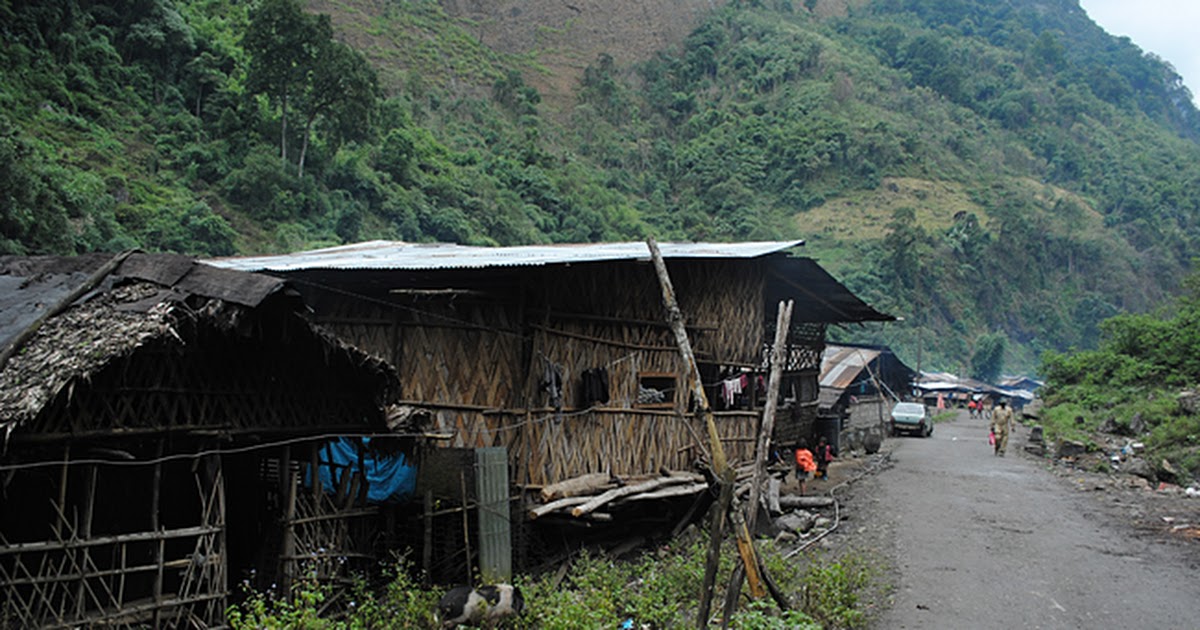
Kibithu greets the sun before anywhere else in the country a quiet, profound moment amplified by nearby Dong village's Sunrise Festival momentum into 2026. The Meyor tribe lives in deep connection with the forest, river, and seasonal rhythms. Ancient rituals, unique weaving patterns, bamboo houses on stilts, and gradually improving roads keep tradition alive while the modern world arrives gently. (Protected Area Permit required for foreigners; eILP for Indians.)
Chitkul, Himachal Pradesh – India’s Last Inhabited Village
Wooden homes with slate roofs, small wooden temples, snow leopards prowling in winter, and stars so bright they feel within reach. Chitkul is remote by design phone signal fades, winters are long and brutal, but the Kinnauri people’s bond with the land is unbreakable. It’s quiet, raw, and unforgettable. Walk the Baspa River trail or just sit with a cup of chai watching the peaks time slows down here. (No special permit needed; improved road access under VVP.)
Ha & Monpa Heartland, Arunachal – Buddhist Roots & Community
Monpa villages pulse around ancient monasteries like those in Tawang and Dirang. Neighbors build houses together, fields are tended communally, and colorful prayer flags flutter against snow peaks. Life moves at the rhythm of seasons, festivals (Losar, Torgya), and monastery horns. Isolation breeds deep interdependence everyone knows everyone, and help is never far. (PAP/ILP required; Tawang area sees tourism boost with 150+ villages under VVP.)
Bengal Border Stories – Resilience by the River
Fences now divide what was once open trade land along the India-Bangladesh border. Seasonal floods, changing river courses (like the Teesta or Ichamati), and restricted movement make life hard. Yet people adapt fishing, small-scale farming, jute weaving, and cross-border friendships that quietly persist despite politics. Survival here is an everyday art form, told through stories shared over tea on bamboo verandas.
Borderland Travel – Do It Right in 2026
These places attract travelers seeking real stories, not staged experiences. Stay in homestays (increasing under VVP), join village walks, help with harvest if invited, attend local festivals that’s the sweet spot. Respect boundaries (especially near military areas), buy directly from artisans, leave no trace, and ask before photographing people. Check current permits: ILP/PAP for Ladakh/Arunachal restricted zones via official portals or agents.
Challenges They Face & Signs of Change (2026 Update)
Healthcare access remains limited, power cuts occur, youth migration to cities is real, and landslides or heavy snow can isolate villages for weeks. But the Vibrant Villages Programme is delivering: VVP-I (northern borders) and VVP-II (expanded 2025) bring new roads (e.g., 1022 km in Arunachal), solar electrification, mobile medical units, telecom improvements, and reverse migration in some areas. The army often serves as first responder, neighbor, and lifeline.
Final Thought – The Edge Is Where India Feels Most Alive
India’s border villages aren’t postcard pretty they’re tough, layered, warm, and profoundly real. Bite into a sun-warmed apricot in Turtuk, watch the first ray hit Kibithu, sip butter tea in a Monpa home, or hear river stories in Bengal every moment reminds you how wide, diverse, and resilient India really is.
So skip the usual suspects for once. Head to the edge. Listen more than you speak. You’ll come back changed.