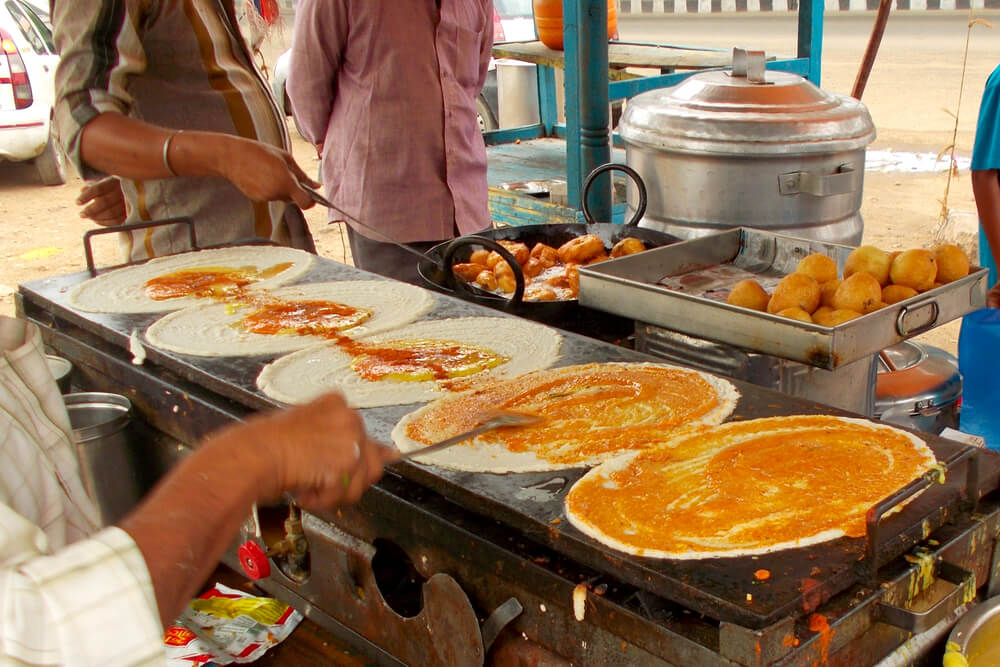
Street Food Stories: From Delhi Chaat to Chennai Idlis
Indian street food isn’t just food it’s loud, messy, addictive, and probably the most honest way to understand any city. From the tangy explosions of Delhi chaat to the comforting fluff of Chennai idlis, every region has its own obsession. In 2026, hygiene standards continue improving (thanks to FSSAI's FoSTaC training, Clean Street Food Hubs, and mobile testing), food streets are more vibrant than ever, and global lists (like TasteAtlas) rank Mumbai among the world's top food cities for its street eats. The soul remains gloriously chaotic this guide takes you through the classics, legendary stalls, and hacks to eat like a local (and thrive).
Iconic Street Food Cities at a Glance
Each major city brings its own personality to the plate spicy, crunchy, soupy, sweet, or deep-fried comfort. Here are the heavy hitters most people dream about before they even land in India.
- Delhi: Chaat capital papri chaat, golgappa, aloo tikki, dahi bhalla
- Mumbai: Vada pav, pav bhaji, bhel puri, misal pav (world-ranked street food scene)
- Kolkata: Kathi rolls, puchka, jhal muri, telebhaja
- Chennai: Idli-sambar, masala dosa, bonda, sundal
- Bangalore: VV Puram Food Street dosas, paddu, chaat, sweets
Delhi Chaat: Flavor Overload in Every Bite
Chandni Chowk, Paranthe Wali Gali, Karol Bagh, and Bengali Market Delhi doesn’t do subtle. Papri chaat arrives drowning in yogurt, tamarind chutney, green chutney, and sev. Golgappa (pani puri) is a crispy explosion of spicy-sweet water. Aloo tikki gets crisped on the griddle then buried under chickpeas, yogurt, and chutneys. Every stall claims supremacy. The correct answer? Try them all. Finish with hot jalebis straight from the kadhai and milky chai the perfect sweet-spicy full stop.
Mumbai: Vada Pav & Beachside Chaos
Vada pav is Mumbai’s soul in sandwich form spicy potato fritter in a soft bun with green chutney, fried chilies, and sometimes garlic chutney. Eaten at 3 a.m. outside a train station or at Juhu Beach at sunset, it never disappoints. Add pav bhaji (mashed spicy veggies with buttered bread), bhel puri, ragda pattice, and fiery misal pav the city basically runs on carbs, spice, and attitude. Lines form for no reason other than “this guy’s been here 40 years”.
Kolkata: Rolls, Puchka & Street-Side Comfort
Kathi rolls rule here flaky paratha wrapped around egg, chicken, or mutton with onions, chili, and sauce. Puchka (Kolkata’s pani puri) hits harder with sharper tamarind water and crushed potatoes. Jhal muri (spiced puffed rice) is the perfect on-the-go snack. Add telebhaja (fritters), phuchka stalls near College Street, and late-night rasgulla runs Kolkata street food feels like a warm, slightly chaotic hug from the city itself.
Chennai: Idli, Dosa & Beachside Sundal
Fluffy idlis with steaming sambar and coconut chutney are morning religion here. Masala dosa thin, golden, crispy, potato-filled is the undisputed king. Marina Beach vendors sell sundal (spiced chickpeas) in paper cones while waves crash behind you. Bonda, pongal, upma, and strong filter coffee round out the classics. Chennai proves comfort food can still be exciting especially when eaten with your hands at sunrise.
Bangalore – VV Puram Food Street Madness
Thindi Beedi (VV Puram) turns into a vegetarian street-food carnival every evening from ~5:30 PM. Giant paper dosas, paddu, akki roti, spicy chaat from Rajasthan-style vendors, crispy vadas, payasam, and jolada rotti it’s all here under fairy lights. Families, students, tech workers everyone shows up. One street, endless variety, pure Bangalore energy (still buzzing strong in 2026 with affordable, buttery benne dosas leading the charge).
Hidden Gems & Street Food Secrets
- Old Delhi – Jama Masjid area: Late-night kebabs at Karim’s or Haji Shabrati Nihari (try the paya or brain curry if you dare)
- Mumbai – Mohammad Ali Road: Ramadan iftar stalls (seekh kebabs, malpua, sheer khurma seasonal magic)
- Kolkata – Tiretti Bazaar: Early morning Chinese-Indian street breakfast (momos, noodles, fish balls)
- Chennai – Sowcarpet: North Indian street chaat in a South Indian city (try the dahi puri)
- Bangalore – Malleswaram: Early morning benne dose at CTR (Central Tiffin Room) timeless legend
Street Food Survival Guide (2026 Edition)
- Follow the crowd: Long line + locals eating = usually safe & delicious
- Go hot & fresh: Watch your food being made if possible best indicator of quality
- Carry cash: Small notes (₹10, ₹20, ₹50) most vendors still don’t take cards or UPI glitches happen
- Spice tolerance test: Ask for “no chili” or “medium spicy” first if unsure you can always add more
- Timing matters: Evenings = busiest & freshest; early morning = cleaner & calmer (great for idli/dosa)
- Hygiene hack: Look for FSSAI-trained vendors (gloves, purified water, certifications common now); many hubs are certified Clean Street Food spots
Why Indian Street Food Never Gets Old
Indian street food is memory, hustle, family recipes, late-night cravings, and pure joy wrapped in a paper plate or banana leaf. Whether you’re burning your tongue on Delhi chaat, chasing the perfect vada pav in Mumbai, or quietly dipping idli in sambar at sunrise in Chennai every bite feels personal and alive.
So get out there. Get messy. Burn your mouth a little. Come home with stories (and probably a few extra kilos). Because in India, the best meals are rarely served on a table they’re handed to you steaming from a cart on a crowded street.
What’s the one street food you’re dying to try first?